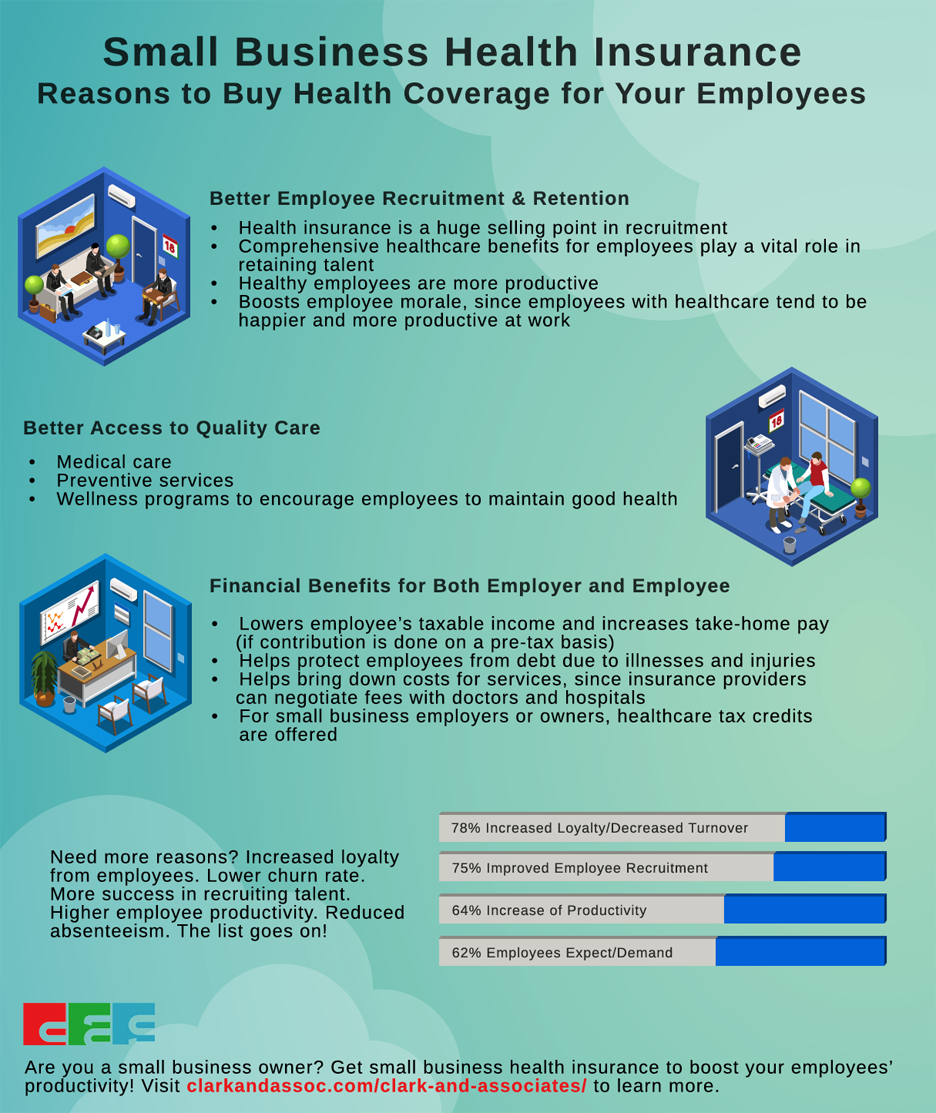
Welcome to our article on the benefits of business private health insurance. As a business owner, it’s crucial to prioritize the health and well-being of your employees. Providing them with private health insurance not only demonstrates your commitment to their wellness, but it also offers numerous advantages for both your employees and your company. From quicker access to healthcare services to improved employee morale, private health insurance can have a significant impact on your business. Let’s explore some of the key benefits that come with investing in this essential coverage.
Importance of Business Private Health Insurance
Having business private health insurance is essential for companies in today’s competitive marketplace. It offers a wide range of benefits for both employers and employees, making it a valuable investment. Let’s delve deeper into why having business private health insurance is crucial for businesses.
Firstly, providing private health insurance for employees demonstrates that a company values their well-being and cares about their health. This can lead to increased employee morale and loyalty, as they feel valued and supported by their employer. When employees feel that their employer prioritizes their health, they are more likely to be engaged and productive in the workplace.
Moreover, business private health insurance can help attract and retain top talent. In today’s job market, job seekers are not only looking for competitive salaries but also comprehensive benefits packages. By offering private health insurance, companies can stand out as an employer of choice and attract skilled professionals to their organization. Additionally, employees are more likely to stay with a company that provides them with health insurance, reducing turnover rates and saving on recruitment and training costs.
Another significant benefit of business private health insurance is that it can help improve overall employee health and well-being. With access to timely and quality healthcare services, employees can address health issues early on and receive necessary treatments. This can lead to a healthier workforce, reduced absenteeism, and increased productivity. By investing in their employees’ health, companies can create a positive work environment and promote a culture of well-being within the organization.
Furthermore, business private health insurance can provide financial security for employees in case of unexpected medical emergencies. With rising healthcare costs, having insurance coverage can help employees avoid hefty medical bills and financial strain. This, in turn, can reduce stress levels and improve overall job satisfaction. When employees feel secure about their health and finances, they are more likely to focus on their work and perform at their best.
In conclusion, business private health insurance plays a crucial role in a company’s success by demonstrating care for employees, attracting top talent, improving employee health, and providing financial security. It is a valuable investment that can lead to increased employee satisfaction, productivity, and retention. Therefore, businesses should consider offering private health insurance as part of their benefits package to support their employees and create a positive and healthy work environment.
Coverage Options for Small Businesses
Small businesses have a variety of options when it comes to selecting health insurance coverage for their employees. Here are some commonly chosen coverage options for small businesses:
1. Group Health Insurance: Group health insurance is a common option for small businesses that want to provide comprehensive coverage for their employees. This type of insurance allows employees to access a wide network of healthcare providers and services at a discounted rate. Small businesses can often negotiate better rates and coverage options through group health insurance plans compared to individual plans. Employers typically cover a portion of the premiums, with employees responsible for the rest. Group health insurance can help attract and retain talented employees, as it is a valuable perk that can improve employee satisfaction and loyalty.
2. Self-Funded Health Plans: Self-funded health plans are another option for small businesses looking for more flexibility and cost savings in their health insurance coverage. With a self-funded plan, the employer takes on the financial risk of providing healthcare coverage for their employees. This means that the employer pays for employees’ healthcare claims as they arise, rather than paying a fixed premium to an insurance company. Self-funded plans can be a good option for small businesses with healthy, stable employee populations, as they can save money on premiums and have more control over the coverage options offered. However, self-funded plans also carry the risk of higher costs if employees have significant healthcare needs, so it’s important for small businesses to carefully assess their risk tolerance before choosing this option.
3. Health Reimbursement Arrangements (HRAs): Health reimbursement arrangements are a popular option for small businesses that want to provide health benefits to their employees without fully financing a traditional group health insurance plan. With an HRA, employers set aside a specific amount of money each year to reimburse employees for eligible healthcare expenses, such as premiums, deductibles, and copayments. This allows employees to have more control over their healthcare spending, while still receiving financial assistance from their employer. HRAs are customizable and can be tailored to meet the unique needs of a small business and its employees. Plus, HRA contributions are tax-deductible for the employer, making it a cost-effective option for providing health benefits.
Overall, small businesses have a range of coverage options to choose from when it comes to providing health insurance for their employees. By exploring these options and consulting with a benefits advisor, small business owners can find the right coverage solution that meets their budget and the needs of their workforce.
Benefits of Offering Private Health Insurance to Employees
Private health insurance is an important benefit that many businesses offer to their employees. Providing access to private health insurance can have numerous benefits for both employers and employees. In this article, we will discuss the advantages of offering private health insurance to employees.
1. Attraction and Retention of Talent
One of the main benefits of offering private health insurance to employees is the ability to attract and retain top talent. In today’s competitive job market, employees are constantly looking for companies that offer attractive benefits packages. By providing private health insurance, businesses can stand out from their competitors and attract high-quality candidates. Furthermore, offering this benefit can help retain existing employees, as they are more likely to stay with a company that values their well-being.
2. Improved Employee Morale and Productivity
Providing private health insurance to employees can lead to improved morale and productivity in the workplace. When employees have access to quality healthcare, they are more likely to feel valued and supported by their employer. This can result in higher job satisfaction, better engagement, and increased productivity. Additionally, employees who have private health insurance are more likely to take care of their health and seek medical attention when needed, leading to fewer sick days and reduced absenteeism.
3. Enhanced Employee Well-being and Job Satisfaction
Offering private health insurance can have a significant impact on the overall well-being and job satisfaction of employees. Access to quality healthcare can provide peace of mind to employees, knowing that they and their families are covered in case of illness or injury. This can reduce stress levels and contribute to a healthier work-life balance. Employees who feel supported and cared for by their employer are more likely to be satisfied with their job and remain loyal to the company.
Moreover, private health insurance can also improve the physical and mental health of employees. Regular check-ups, preventive care, and timely access to medical treatment can help employees stay healthy and address health issues before they become more serious. This can result in a more engaged and motivated workforce, leading to better overall performance and business success.
In conclusion, offering private health insurance to employees is a valuable investment for businesses. It not only helps attract and retain talent but also improves morale, productivity, well-being, and job satisfaction. By providing this benefit, businesses demonstrate their commitment to the health and happiness of their employees, creating a positive work environment and contributing to the overall success of the company.
Cost Considerations for Business Private Health Insurance
When it comes to choosing a private health insurance plan for your business, cost is a crucial factor to consider. The cost of business private health insurance can vary depending on a variety of factors, including the size of your company, the level of coverage you choose, and the age and health status of your employees. It’s important to carefully consider these cost considerations to ensure that you are getting the best value for your money.
One of the main cost considerations for business private health insurance is the premium. The premium is the amount that you pay to the insurance company on a regular basis in exchange for coverage. The premium can vary depending on the level of coverage you choose, as well as the age and health status of your employees. It’s important to compare premiums from different insurance providers to ensure that you are getting the best deal.
In addition to the premium, there are often other costs associated with business private health insurance. These can include deductibles, co-pays, and co-insurance. Deductibles are the amount that you must pay out of pocket before your insurance coverage kicks in. Co-pays are fixed amounts that you pay for certain services, such as doctor visits or prescription medications. Co-insurance is a percentage of the cost of covered services that you are responsible for paying.
Another important cost consideration for business private health insurance is the out-of-pocket maximum. This is the maximum amount that you will have to pay for covered services in a given year. Once you reach this maximum, your insurance company will typically cover 100% of the cost of covered services. It’s important to choose a plan with an out-of-pocket maximum that is affordable for your employees.
When considering the cost of business private health insurance, it’s also important to think about the long-term financial impact on your company. While investing in comprehensive health insurance coverage for your employees may seem expensive upfront, it can actually save you money in the long run by improving employee productivity, reducing absenteeism, and attracting and retaining top talent. It’s important to weigh the cost of insurance coverage against the potential benefits to your business.
How to Select the Right Business Private Health Insurance Plan
Choosing the right business private health insurance plan is a crucial decision for any company. With so many options available, it can be overwhelming to determine which plan will best suit the needs of your employees and your budget. Here are some factors to consider when selecting the right business private health insurance plan for your company:
1. Assess Your Company’s Needs: Before you start shopping for health insurance plans, it’s important to assess your company’s specific needs. Consider factors such as the number of employees you have, their ages, and any pre-existing health conditions they may have. This will help you narrow down your options and choose a plan that meets the needs of your workforce.
2. Compare Different Plans: Once you have a clear understanding of your company’s needs, it’s time to start comparing different health insurance plans. Look at the coverage options, network of providers, and cost of each plan. Consider factors such as deductibles, copayments, and premiums to determine which plan offers the best value for your company.
3. Consider Employee Preferences: It’s also important to consider the preferences of your employees when selecting a health insurance plan. Survey your workforce to find out what types of coverage they value most, whether it’s access to a specific doctor or hospital, prescription drug coverage, or wellness programs. Taking their preferences into account will help ensure that your employees are satisfied with the plan you choose.
4. Evaluate Customer Service: When selecting a health insurance plan, it’s essential to consider the level of customer service provided by the insurance company. Look for a provider that offers responsive and helpful customer service, as this can make a big difference in the quality of care your employees receive. Consider reading reviews and asking for recommendations from other businesses to gauge the level of customer service offered by different insurance providers.
5. Seek Expert Advice: If you’re feeling overwhelmed by the process of selecting a business private health insurance plan, don’t hesitate to seek expert advice. Consider consulting with an insurance broker or benefits consultant who can help you navigate the complexities of the health insurance market and find the best plan for your company. These professionals can provide valuable insights and help you make an informed decision that meets the needs of your employees and your budget.
By following these steps and taking the time to carefully evaluate your options, you can select the right business private health insurance plan for your company. Investing in the health and well-being of your employees is an important decision that can have a significant impact on the success of your business.