Health Insurance Company Plans: Finding the Right Coverage for You
Welcome, dear reader! Navigating the world of health insurance can seem like a daunting task, but it doesn’t have to be. With so many different plans and coverage options available, it’s important to find the right fit for you and your family. From deductibles to co-pays, understanding the ins and outs of health insurance can save you time, money, and stress in the long run. Let’s explore how to find the perfect health insurance plan that meets your needs and budget.
Types of Health Insurance Plans Offered
When it comes to choosing a health insurance plan, there are several different types available that cater to the diverse needs of individuals and families. Understanding the various options can help you make an informed decision about which plan is best for you. Here are some of the most common types of health insurance plans offered by companies:
1. Health Maintenance Organization (HMO): HMO plans are known for their network of healthcare providers that members must use for all their medical needs. This network typically includes primary care physicians, specialists, hospitals, and other healthcare facilities. When you enroll in an HMO plan, you will need to choose a primary care physician (PCP) who will coordinate all your medical care and refer you to specialists when necessary. HMO plans often require members to obtain pre-authorization for certain services and may have lower out-of-pocket costs compared to other types of plans.
2. Preferred Provider Organization (PPO): PPO plans offer more flexibility when it comes to choosing healthcare providers. Members are not required to choose a PCP and can visit any doctor or specialist within the plan’s network without a referral. Additionally, PPO plans allow members to see out-of-network providers for a higher cost. While PPO plans generally have higher premiums and deductibles than HMO plans, they offer more choice and freedom when it comes to managing your healthcare.
3. Exclusive Provider Organization (EPO): EPO plans are similar to HMO plans in that they require members to use a specific network of providers for all their medical care. However, EPO plans do not typically require referrals to see specialists. Members who choose to see out-of-network providers under an EPO plan may be responsible for the full cost of services. EPO plans may have lower premiums than PPO plans but offer less flexibility in terms of provider choice.
4. High-Deductible Health Plan (HDHP): HDHPs are designed for individuals who are generally healthy and do not anticipate needing a lot of medical care. These plans have higher deductibles than traditional health insurance plans, but they also offer lower monthly premiums. HDHPs are often paired with Health Savings Accounts (HSAs), which allow individuals to save money tax-free for medical expenses. Preventive care services are usually covered at no cost under HDHPs, but members will need to meet their deductible before most other services are covered.
5. Catastrophic Health Insurance: Catastrophic health insurance plans are meant to provide coverage in case of a major medical emergency. These plans have low monthly premiums and high deductibles, making them a good option for young, healthy individuals who do not anticipate needing regular medical care. Catastrophic plans typically only cover essential health benefits after the deductible is met and may not cover routine care such as office visits or prescriptions.
Choosing the right health insurance plan is an important decision that can have a significant impact on your health and financial well-being. Consider your healthcare needs, budget, and preferences when comparing different types of health insurance plans to find the one that best suits your situation.
Factors to Consider When Choosing a Health Insurance Company
When it comes to selecting a health insurance company, there are several factors to take into consideration. It’s important to choose a plan that will best meet your specific needs and provide you with the coverage you require. Here are some key factors to keep in mind when shopping for health insurance:
1. Coverage Options: One of the most important considerations when choosing a health insurance plan is the coverage options that are available. Make sure to review the different types of plans offered by the insurance company and consider whether they meet your healthcare needs. Some plans may have more comprehensive coverage for certain services, while others may have lower premiums but higher out-of-pocket costs.
2. Network of Providers: Another crucial factor to consider is the network of healthcare providers that are covered by the insurance company. Make sure that your preferred doctors, specialists, and hospitals are in-network to ensure that you can receive care from them at a lower cost. If you have a specific healthcare provider that you want to continue seeing, it’s important to verify that they accept your insurance plan.
In addition to the network of providers, consider whether the insurance company has partnerships with telehealth providers or offers virtual care services. This can be especially useful for accessing healthcare remotely or during times when in-person visits may not be possible.
3. Premiums and Cost-Sharing: Cost is a significant factor when selecting a health insurance company. Evaluate the monthly premiums, deductibles, copayments, and coinsurance amounts associated with each plan. Compare the costs of different plans to determine which one offers the best value for your budget and healthcare needs.
4. Customer Service and Support: The level of customer service provided by the insurance company is another important consideration. Look for a company that offers responsive customer support and has a reputation for resolving issues quickly and efficiently. Consider reading reviews or speaking with current policyholders to gauge the quality of customer service provided.
5. Additional Benefits and Services: Some health insurance companies offer additional benefits and services as part of their plans. This could include wellness programs, discounts on gym memberships, mental health resources, or access to nurse hotlines. Evaluate these additional benefits to determine if they align with your healthcare needs and lifestyle.
By taking these factors into consideration, you can make a more informed decision when choosing a health insurance company. Remember to carefully review the details of each plan and compare them to find the best fit for your individual healthcare needs and financial situation.
Benefits of Enrolling in a Health Insurance Plan
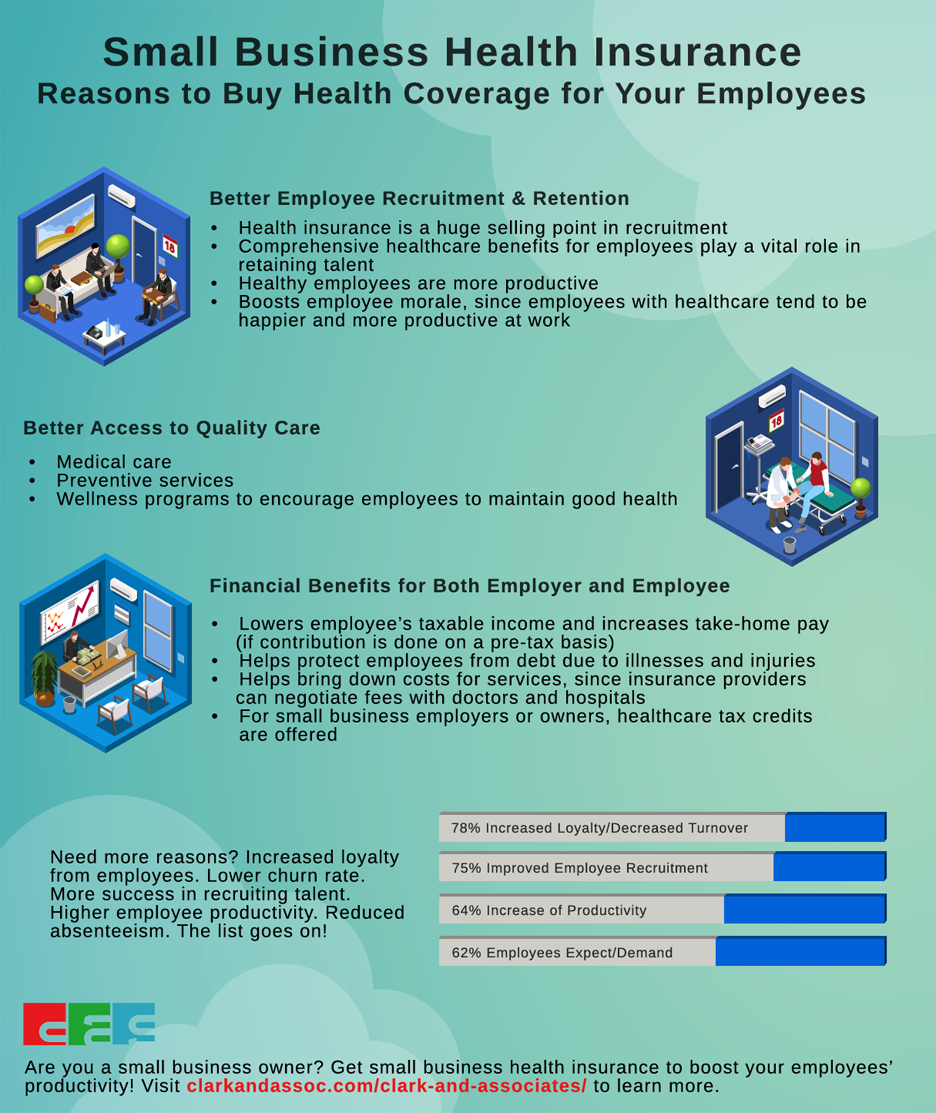
Enrolling in a health insurance plan offers a wide range of benefits that can help you maintain your physical and financial well-being. Here are some of the key advantages of having health insurance coverage:
1. Access to Quality Healthcare: One of the most significant benefits of enrolling in a health insurance plan is having access to quality healthcare services. With insurance coverage, you can visit a doctor whenever you need medical attention, undergo necessary tests and procedures, and receive treatment for illnesses or injuries without worrying about the cost. This can help you maintain your health and well-being by ensuring that you receive timely and appropriate medical care.
2. Financial Protection: Health insurance can provide financial protection in case of unexpected medical expenses. Medical treatments can be costly, and a serious illness or injury could lead to substantial bills that may be difficult to pay out of pocket. By having health insurance coverage, you can reduce the financial burden of medical care and avoid dipping into your savings or going into debt to cover healthcare costs.
3. Preventive Care Services: Many health insurance plans offer coverage for preventive care services, such as screenings, vaccinations, and wellness exams. These services are designed to help you stay healthy and detect potential health issues early, before they become more serious and costly to treat. By taking advantage of preventive care services, you can lower your risk of developing chronic conditions, improve your overall health, and reduce your healthcare expenses in the long run.
4. Prescription Drug Coverage: Health insurance plans often include coverage for prescription medications, which can help lower the cost of necessary medications and make them more affordable. Having access to prescription drug coverage can ensure that you can follow your doctor’s treatment plan and manage chronic conditions effectively without having to worry about the high cost of medications.
5. Peace of Mind: Enrolling in a health insurance plan can provide you with peace of mind knowing that you have financial protection against unexpected medical expenses. Whether you need emergency care, surgery, or ongoing treatment for a chronic condition, having health insurance coverage can give you the assurance that you will be able to receive the care you need without facing significant financial hardship.
Overall, enrolling in a health insurance plan can offer you peace of mind, access to quality healthcare services, financial protection, preventive care services, and prescription drug coverage. By having health insurance coverage, you can take proactive steps to protect your health and well-being while avoiding the financial strain of high healthcare costs.
How to Compare Health Insurance Company Plans
Choosing the right health insurance plan can be a daunting task, especially with so many options available in the market. It is important to compare different health insurance company plans to ensure you are getting the best coverage at a price that fits your budget. Here are some key factors to consider when comparing health insurance company plans:
1. Premiums: One of the most important factors to consider when comparing health insurance plans is the monthly premium. This is the amount you will pay to the insurance company for coverage. It is important to understand how much you can afford to pay each month and choose a plan that fits within your budget. Be sure to compare premiums for different plans from various insurance companies to find the best value for your money.
2. Deductibles and Copayments: Another important factor to consider is the deductibles and copayments of the health insurance plans. The deductible is the amount you will have to pay out of pocket before the insurance company starts covering costs. Copayments are the fixed amount you will pay for specific services, such as doctor visits or prescriptions. Compare the deductibles and copayments of different plans to determine which one offers the most cost-effective coverage for your needs.
3. Coverage and Benefits: It is essential to carefully review the coverage and benefits offered by each health insurance plan. Make sure the plan covers the services you need, such as doctor visits, prescription medications, hospital stays, and preventive care. Consider factors such as network restrictions, coverage for out-of-network providers, and coverage for pre-existing conditions. Compare the coverage and benefits of different plans to find one that best meets your healthcare needs.
4. Provider Networks: When comparing health insurance company plans, it is crucial to consider the provider networks included in each plan. Provider networks are groups of doctors, hospitals, and other healthcare providers that have contracted with the insurance company to provide services at discounted rates. Check if your preferred healthcare providers are part of the network, as seeing out-of-network providers may result in higher out-of-pocket costs. Consider the size and quality of the provider network when choosing a health insurance plan.
5. Customer Service and Reputation: Finally, it is important to consider the customer service and reputation of the health insurance company when comparing plans. Look for reviews and ratings from current and former policyholders to gauge the company’s commitment to customer satisfaction. Consider factors such as claim processing times, responsiveness to inquiries, and overall customer experience. Choose a health insurance company with a strong reputation for providing excellent customer service and support.
By considering these factors when comparing health insurance company plans, you can make an informed decision and choose a plan that meets your healthcare needs and budget. Taking the time to research and compare different plans will ensure you get the best coverage at the best price.
Tips for Maximizing Your Health Insurance Coverage
Health insurance is essential for covering medical expenses and ensuring you receive quality care when needed. However, many individuals may not be aware of all the benefits and options available to them through their health insurance plans. To help you make the most of your coverage, here are some tips for maximizing your health insurance benefits.
1. Understand Your Coverage: The first step in maximizing your health insurance coverage is to fully understand what is included in your plan. Take the time to review your policy documents, including the coverage limits, deductibles, and copayments. Knowing what is covered and what is not can help you avoid unexpected expenses and make the most of your benefits.
2. Use In-Network Providers: Many health insurance plans have networks of doctors, hospitals, and other healthcare providers that offer discounted rates to plan members. By utilizing in-network providers, you can save money and ensure that your services are covered by your insurance. Be sure to check with your insurance company or visit their website to find a list of in-network providers in your area.
3. Take Advantage of Preventive Services: Most health insurance plans cover preventive services such as annual check-ups, vaccinations, and screenings at no cost to the member. By taking advantage of these services, you can detect health issues early and prevent more serious conditions from developing. Check with your insurance company to see what preventive services are covered under your plan.
4. Utilize Telemedicine Services: Many health insurance plans now offer telemedicine services, which allow you to consult with a healthcare provider remotely through video or phone calls. This can be a convenient and cost-effective way to receive medical advice and treatment without having to visit a doctor’s office. Be sure to check if telemedicine services are covered under your plan.
5. Shop Around for Prescription Medications: Prescription medications can be a significant expense for many individuals, especially if the drugs are not covered under their health insurance plan. To save money on prescriptions, consider shopping around at different pharmacies or using discount programs. Some pharmacies offer generic versions of medications at a lower cost, and drug discount programs can help you save on out-of-pocket expenses.
By following these tips and staying informed about your health insurance coverage, you can make the most of your benefits and ensure that you receive the care you need when you need it. Remember to review your policy documents regularly and reach out to your insurance company if you have any questions or concerns about your coverage.