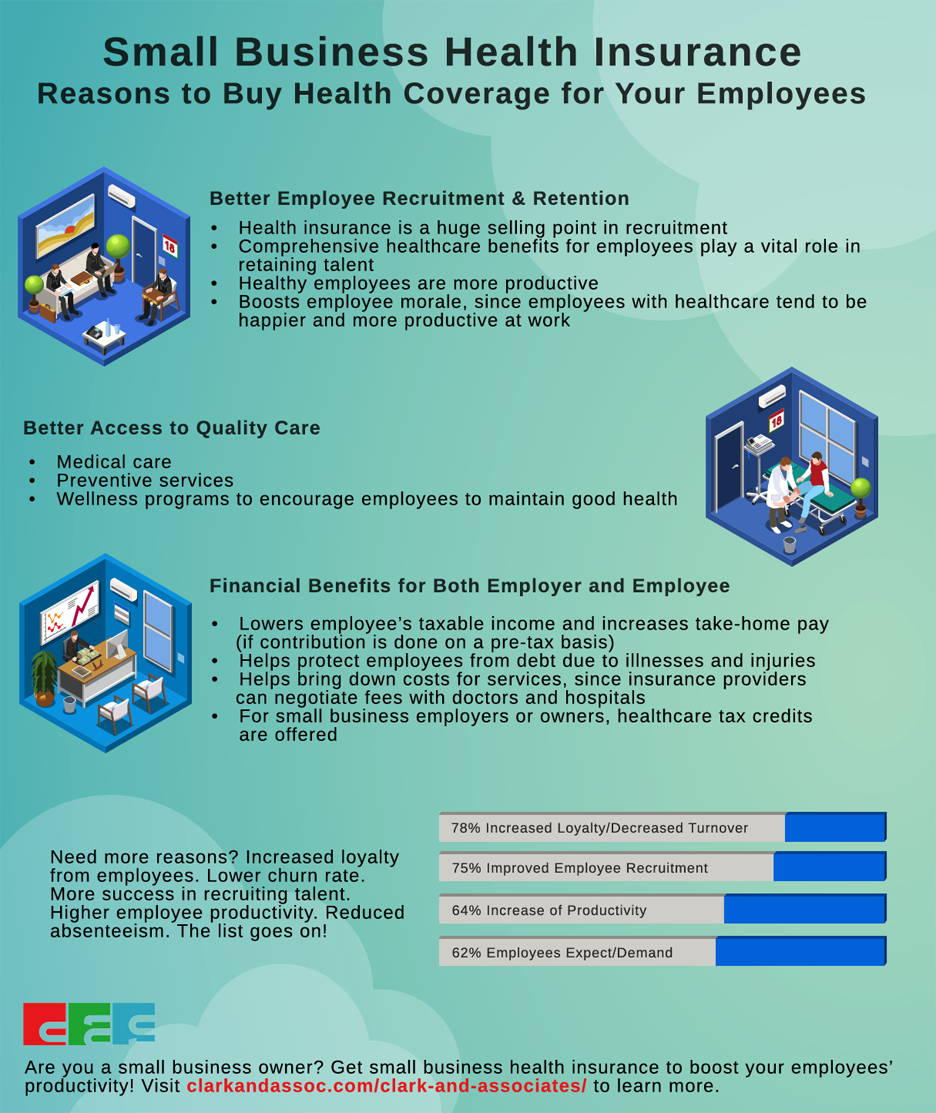
Welcome to a guide on understanding small business health insurance for employees. As a small business owner, providing health insurance for your employees is a vital aspect of taking care of your team. Navigating the world of health insurance can be overwhelming, especially when you are running a small business. This article will break down the basics of small business health insurance, helping you make informed decisions for your employees’ well-being.
Importance of Small Business Health Insurance
Small business health insurance is a crucial benefit for employees of small companies. It provides them with access to quality healthcare services and helps to improve their overall well-being. With rising medical costs, having health insurance can protect employees from financial burdens in case of unexpected medical emergencies. It also gives them peace of mind knowing that they can seek medical attention without worrying about the cost.
Offering health insurance to employees can also help small businesses attract and retain top talent. In today’s competitive job market, job seekers often look for companies that provide comprehensive benefits, including health insurance. By offering this benefit, small businesses can stand out from the competition and attract qualified candidates. Additionally, providing health insurance can improve employee morale and loyalty, leading to higher retention rates.
Furthermore, small business health insurance can contribute to the overall productivity and performance of employees. When employees have access to healthcare services, they are more likely to seek preventive care and address any health concerns promptly. This can lead to fewer sick days and lower absenteeism rates, ultimately benefiting the business as a whole. Healthy employees are also more engaged and motivated, leading to improved job performance and higher levels of productivity.
Moreover, offering health insurance can help small businesses comply with regulations and avoid potential penalties. The Affordable Care Act (ACA) requires businesses with 50 or more full-time employees to provide health insurance or pay a penalty. By providing health insurance to employees, small businesses can ensure compliance with the law and avoid costly fines.
In conclusion, small business health insurance is an essential benefit that can have a positive impact on both employees and the business. It provides access to quality healthcare, attracts top talent, improves employee morale and productivity, and helps businesses comply with regulations. Investing in health insurance for employees is not only a smart business decision but also a way to show that you value and care for your employees’ well-being.
Understanding Coverage Options for Small Businesses
When it comes to providing health insurance for employees in a small business, there are several coverage options to consider. The most common types of health insurance plans for small businesses include traditional group health insurance, health maintenance organizations (HMOs), preferred provider organizations (PPOs), and high-deductible health plans (HDHPs) paired with health savings accounts (HSAs).
Traditional group health insurance plans are the most standard option for small businesses. With this type of plan, the employer negotiates with an insurance provider to offer coverage for all employees. Premiums are usually shared between the employer and the employees, and the plan typically includes a variety of services such as preventive care, hospital visits, and prescription drug coverage.
Health maintenance organizations (HMOs) are another popular choice for small businesses. With an HMO plan, employees are required to choose a primary care physician (PCP) who coordinates all of their healthcare needs. Referrals are typically needed to see specialists, and out-of-network care is not covered. HMO plans are known for their lower premiums and out-of-pocket costs compared to other types of plans.
Preferred provider organizations (PPOs) offer employees more flexibility in choosing healthcare providers. PPO plans have a network of preferred providers, but employees have the option to see out-of-network providers at a higher cost. PPO plans generally have higher premiums and out-of-pocket costs compared to HMO plans, but they offer more choice and flexibility in healthcare options.
High-deductible health plans (HDHPs) paired with health savings accounts (HSAs) are becoming increasingly popular among small businesses. HDHPs have higher deductibles and lower premiums compared to traditional health insurance plans, making them a cost-effective option for both employers and employees. HSAs allow employees to save pre-tax dollars for medical expenses, making them a valuable tool for managing healthcare costs.
When choosing a health insurance plan for your small business, it’s important to consider the needs and preferences of your employees. Take into account factors such as cost, coverage options, network size, and flexibility when making your decision. It may also be beneficial to consult with a benefits specialist or insurance broker to help navigate the complex world of health insurance and find the best plan for your business and employees.
The Benefits of Offering Health Insurance to Employees
As a small business owner, offering health insurance to your employees can have numerous benefits for both your employees and your business as a whole. Providing access to high-quality healthcare coverage can improve employee morale, productivity, and retention rates. In addition, offering health insurance can give your small business a competitive edge in attracting top talent and competing with larger companies.
One of the primary benefits of offering health insurance to employees is that it can help to improve employee morale and job satisfaction. When employees have access to healthcare coverage, they are more likely to seek out preventative care and address any health issues before they become serious. This can lead to healthier, happier employees who are more engaged and productive in their work.
Providing health insurance can also help to improve employee retention rates. In today’s competitive job market, offering healthcare benefits can be a major factor in employee satisfaction and loyalty. Employees are more likely to stay with a company that provides access to healthcare coverage, as they see it as a valuable benefit that contributes to their overall well-being.
Another advantage of offering health insurance to employees is that it can help your small business attract top talent. In a competitive job market, job seekers are often looking for employers who offer comprehensive benefits, including health insurance. By providing healthcare coverage, you can make your small business more attractive to potential employees and stand out from competing companies.
Furthermore, providing health insurance to employees can help to reduce absenteeism and increase productivity. When employees have access to healthcare coverage, they are more likely to seek out medical treatment when needed, which can help them to stay healthy and avoid missing work due to illness. This can ultimately lead to a more productive workforce and a healthier bottom line for your small business.
In conclusion, offering health insurance to employees can have numerous benefits for your small business. From improving employee morale and retention rates to attracting top talent and reducing absenteeism, providing access to healthcare coverage can help your business thrive. By investing in the well-being of your employees, you are not only taking care of your workforce but also strengthening your company’s competitive position in the marketplace.
How Small Business Health Insurance Can Improve Employee Retention
Small business health insurance can play a crucial role in improving employee retention within a company. Offering health insurance benefits shows that the company cares about the well-being of its employees, which can help create a sense of loyalty and commitment among the workforce. When employees feel valued and supported by their employer, they are more likely to stay with the company for the long term.
In addition to creating a positive company culture, providing health insurance can also help attract top talent to the business. In a competitive job market, offering comprehensive benefits like health insurance can set a small business apart from its competitors and make it more appealing to potential hires. Employees are more likely to choose a company that offers health insurance coverage over one that does not, leading to a higher caliber of employees within the organization.
Having access to health insurance can also improve employee morale and job satisfaction. When employees have the security of knowing that their healthcare needs are covered, they are less stressed and more focused on their work. This can lead to higher productivity levels and a more positive work environment overall. Employees who are happy and satisfied with their benefits are also more likely to speak positively about the company to others, helping to improve the company’s reputation and attract even more talent.
Furthermore, providing health insurance can help reduce employee turnover rates. When employees have access to affordable healthcare, they are more likely to stay with the company instead of leaving for a job that offers better benefits. High turnover rates can be costly for small businesses, both in terms of recruitment and training costs as well as the loss of institutional knowledge and experience. By offering health insurance, small businesses can help reduce turnover rates and retain valuable employees for longer periods of time.
In conclusion, offering health insurance benefits can have a significant impact on employee retention within a small business. By prioritizing the health and well-being of employees, small businesses can create a positive work environment, attract top talent, improve morale and job satisfaction, and reduce turnover rates. Investing in employee health insurance is not only beneficial for the employees themselves but also for the overall success and growth of the business.
Factors to Consider When Choosing a Health Insurance Plan for Your Small Business
As a small business owner, offering health insurance to your employees can be a great way to attract and retain top talent. However, choosing the right health insurance plan for your small business can be a daunting task. There are several factors to consider when selecting a plan that best fits the needs of both your employees and your budget.
1. Coverage Options: When choosing a health insurance plan for your small business, it’s important to consider the coverage options available. Look for plans that offer a comprehensive range of services, including preventive care, hospitalization, prescription drug coverage, and mental health services. Make sure the plan covers the services your employees are most likely to need.
2. Cost: Cost is a major factor to consider when choosing a health insurance plan for your small business. Compare the premiums, deductibles, and co-pays of different plans to find one that fits within your budget. Keep in mind that while a plan with lower premiums may seem more affordable upfront, it could end up costing more in the long run if it has high out-of-pocket costs.
3. Network: Another important factor to consider is the provider network of the health insurance plan. Make sure the plan includes a network of doctors, hospitals, and specialists that are convenient for your employees to access. A plan with a large network can provide your employees with more options and flexibility when it comes to choosing a healthcare provider.
4. Employee Needs: Consider the specific healthcare needs of your employees when choosing a health insurance plan. Take into account factors such as the age, health status, and family size of your workforce. A plan that offers flexibility and customization options, such as the ability to choose between different coverage levels or add-on services, can help meet the diverse needs of your employees.
5. Wellness Programs: In addition to providing traditional health insurance coverage, consider offering wellness programs as part of your small business health insurance plan. Wellness programs can help promote employee health and well-being, reduce healthcare costs, and increase productivity. Look for plans that include services such as gym memberships, smoking cessation programs, nutrition counseling, and mental health resources.
Overall, choosing a health insurance plan for your small business requires careful consideration of various factors. By taking the time to evaluate the coverage options, cost, network, employee needs, and wellness programs offered by different plans, you can select a plan that best meets the needs of your employees and your business.